
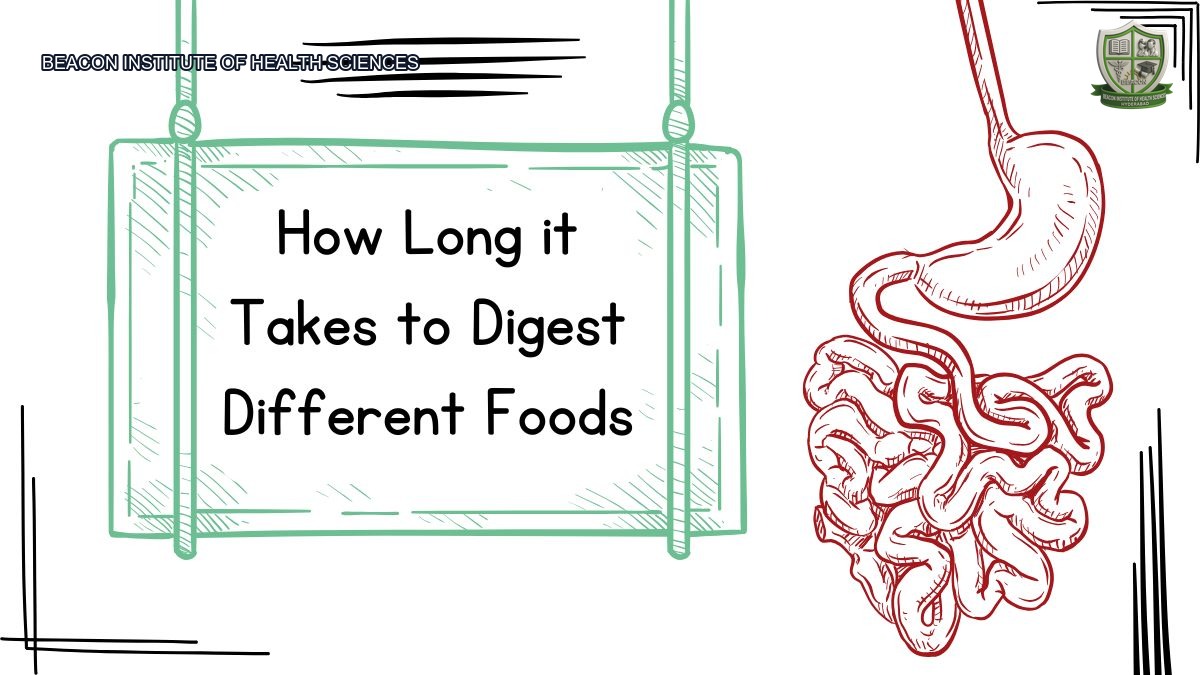
Introduction to Food Digestion
Understanding how long it takes for different foods to digest can offer practical insights into your overall wellness, energy levels, and even meal planning. Digestion is a complex process where your body breaks down food into nutrients it can absorb. While many factors can influence digestion speed, the type of food plays a significant role.
The journey of food through your digestive system begins in the mouth and continues through the esophagus, stomach, small intestine, and large intestine. The stomach's role is particularly crucial, as it mixes food with digestive juices and prepares it for further breakdown. This article focuses on the typical time foods spend in the stomach.
Understanding General Digestion Timeframes
The time it takes for food to leave the stomach and move into the small intestine can vary widely. Generally, foods rich in simple carbohydrates tend to digest faster, while those high in protein, fat, or fiber may take longer. Here's a look at how long some common foods typically take to digest, based on available information:
Rapidly Digesting Foods (Less than 1.5 hours)
- Strawberries: These juicy berries are often processed quite quickly, typically within 20-60 minutes. Their high water content and relatively simple sugar structure contribute to their fast digestion.
- White Rice: As a refined carbohydrate, white rice generally digests in approximately 1 hour. It's quickly broken down into glucose, providing a rapid energy source.
Moderately Digesting Foods (1.5 to 2.5 hours)
- Broccoli: While rich in fiber, broccoli's digestion can range from 40 minutes to 2 hours. Its fibrous nature contributes to a slightly longer process compared to very simple carbohydrates.
- Greek Yogurt: A good source of protein and probiotics, Greek yogurt typically takes 1.5-2.5 hours to digest. The protein content helps extend the digestion time.
- Quinoa: This nutrient-dense grain, containing both carbohydrates and protein, generally digests within 1.5-2.5 hours. Its fiber content also contributes to a more sustained release of energy.
- Oatmeal: Similar to quinoa, oatmeal's blend of complex carbohydrates and soluble fiber usually results in a digestion time of 1.5-2.5 hours, providing a steady energy release.
Slower Digesting Foods (2 to 4 hours)
- Shrimp: As a lean protein source, shrimp typically takes 2-3 hours to digest. Proteins require more time and digestive effort to break down.
- Lentils: These legumes are packed with protein and fiber, contributing to a longer digestion period, usually around 2-3.5 hours. This makes them a filling and sustained energy source.
- Peanuts: Rich in both protein and healthy fats, peanuts are among the slower-digesting foods, taking approximately 2.5-4 hours. Fats and proteins both prolong gastric emptying.
Why Digestion Speed Matters for Wellness
Understanding these timeframes can be helpful for various aspects of public health and wellness:
- Energy Management: Faster-digesting foods can provide quick energy, which might be beneficial before exercise. Slower-digesting foods offer sustained energy, helping to avoid energy crashes.
- Satiety and Fullness: Foods that take longer to digest, particularly those rich in protein, fiber, and healthy fats, tend to keep you feeling full for longer. This can be beneficial for appetite management.
- Meal Timing: Knowing how long foods digest can help you time your meals around activities, such as eating a lighter, faster-digesting meal before a workout or a more substantial, slower-digesting meal to maintain fullness throughout the day.
Factors Influencing Individual Digestion
It's important to remember that these are general estimates. Individual digestion times can vary significantly based on several factors:
- Individual Metabolism: Everyone's digestive system works at a slightly different pace.
- Meal Composition: Eating different foods together can alter digestion times. For example, adding fat or fiber to a fast-digesting carbohydrate can slow down its overall digestion.
- Food Preparation: Raw versus cooked, or finely chewed versus quickly eaten, can affect how easily food is broken down.
- Hydration: Adequate water intake is crucial for efficient digestion.
- Stress and Lifestyle: Stress, physical activity, and overall health can also impact digestive speed.
Conclusion
While the exact timing can vary, having a general understanding of how long different foods take to digest can empower you to make more informed dietary choices. This knowledge can support better energy management, sustained fullness, and more thoughtful meal planning as part of a balanced approach to public health and personal wellness. Always consider these guidelines as educational insights rather than strict rules, and listen to your body's unique responses to different foods.