
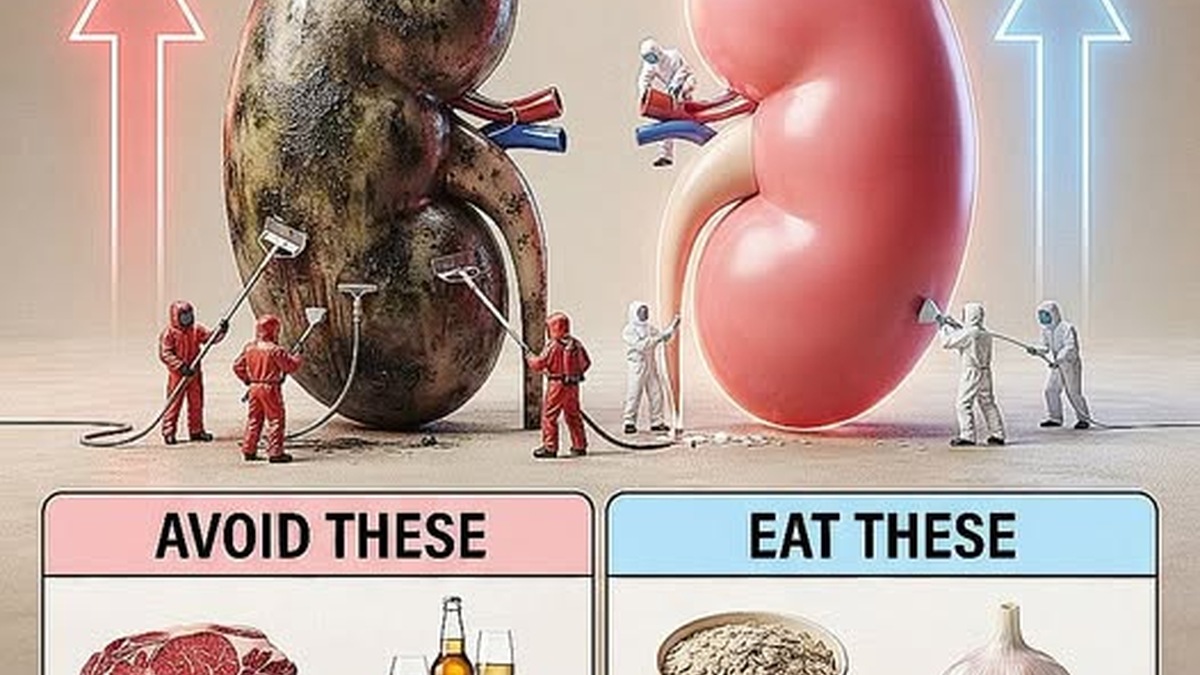
Your kidneys are remarkable organs, tirelessly working to filter waste from your blood, maintain fluid balance, and produce hormones essential for overall health. Often, terms like 'kidney detox' emerge, suggesting a need to cleanse these vital filters. In reality, healthy kidneys are highly efficient at their job and don't require special 'detox' regimens. Instead, supporting their natural function through mindful dietary choices and a healthy lifestyle is key.
Understanding Your Kidneys and Their Role
Each day, your kidneys process about 180 liters of blood, filtering out waste products, excess salts, and water. This waste is then excreted as urine. They also play a crucial role in regulating blood pressure, producing red blood cells, and maintaining bone health. Given these critical functions, understanding how daily habits, particularly diet, can support or strain these organs is essential.
Dietary Choices for Kidney Wellness
While no single food can 'detox' your kidneys, specific dietary patterns can significantly support their long-term health and efficiency. Focus on a balanced diet rich in whole foods and limit those that can add an extra burden to your kidneys.
Foods to Moderate or Limit
Certain foods, when consumed excessively, can potentially strain kidney function or contribute to conditions that harm kidneys, such as high blood pressure or diabetes.
- Red Meat: High intake of red meat, particularly processed varieties, has been associated with increased protein load, which can be taxing on the kidneys. Additionally, red meat can be high in saturated fats, contributing to heart disease, which in turn impacts kidney health. Moderation is key.
- Alcohol: Excessive alcohol consumption can affect the kidneys' ability to filter blood and regulate fluid and electrolyte balance. Over time, heavy drinking can lead to elevated blood pressure, a significant risk factor for kidney disease.
- Excessive Salt (Sodium): High sodium intake can lead to elevated blood pressure, which is one of the leading causes of kidney damage. Reducing processed foods, restaurant meals, and adding less salt to your cooking are practical steps.
- Sugary Donuts and Added Sugars: Foods high in added sugars, like sugary donuts, contribute to weight gain and increase the risk of developing type 2 diabetes. Diabetes is a major cause of kidney disease, as high blood sugar levels can damage the small blood vessels in the kidneys.
Nutrients and Foods to Embrace
Incorporating a variety of nutrient-dense foods can help keep your kidneys healthy and support your overall well-being.
- Oats: A great source of soluble fiber, oats can help manage cholesterol levels and blood sugar, both important for preventing conditions that can harm kidneys. They also provide sustained energy without spikes in blood sugar.
- Garlic: Known for its anti-inflammatory and antioxidant properties, garlic may help protect against cell damage. It can also be a flavorful alternative to salt, helping reduce sodium intake.
- Bell Peppers: These vibrant vegetables are packed with vitamins A and C, and other antioxidants. They are also relatively low in potassium, making them a kidney-friendly option for many, and can contribute to a colorful, nutrient-rich diet.
- Cucumber: Composed largely of water, cucumbers are excellent for hydration. Proper hydration is vital for kidney function, as it helps the kidneys efficiently flush out waste products from the body. They also provide vitamins K and B, and copper.
General Lifestyle Tips for Kidney Health
Beyond diet, several lifestyle factors contribute significantly to kidney health:
- Stay Hydrated: Drinking enough water helps your kidneys clear sodium, urea, and toxins from the body.
- Manage Blood Pressure: High blood pressure is a leading cause of kidney damage. Regular monitoring and management through diet, exercise, and medication (if prescribed) are crucial.
- Control Blood Sugar: If you have diabetes, strict control of blood sugar levels can prevent or delay kidney damage.
- Maintain a Healthy Weight: Obesity increases the risk of conditions like diabetes and high blood pressure, both of which can lead to kidney disease.
- Quit Smoking: Smoking damages blood vessels, which can reduce blood flow to the kidneys and worsen kidney disease.
Conclusion
While the concept of 'kidney detox' is popular, the most effective way to support your kidneys is through a consistently healthy diet and lifestyle. By moderating foods that can put a strain on these vital organs and embracing nutrient-rich options, you can empower your kidneys to perform their essential functions optimally. Remember, this information is for educational purposes; always consult with a healthcare professional for personalized medical advice, especially if you have existing kidney conditions or concerns.