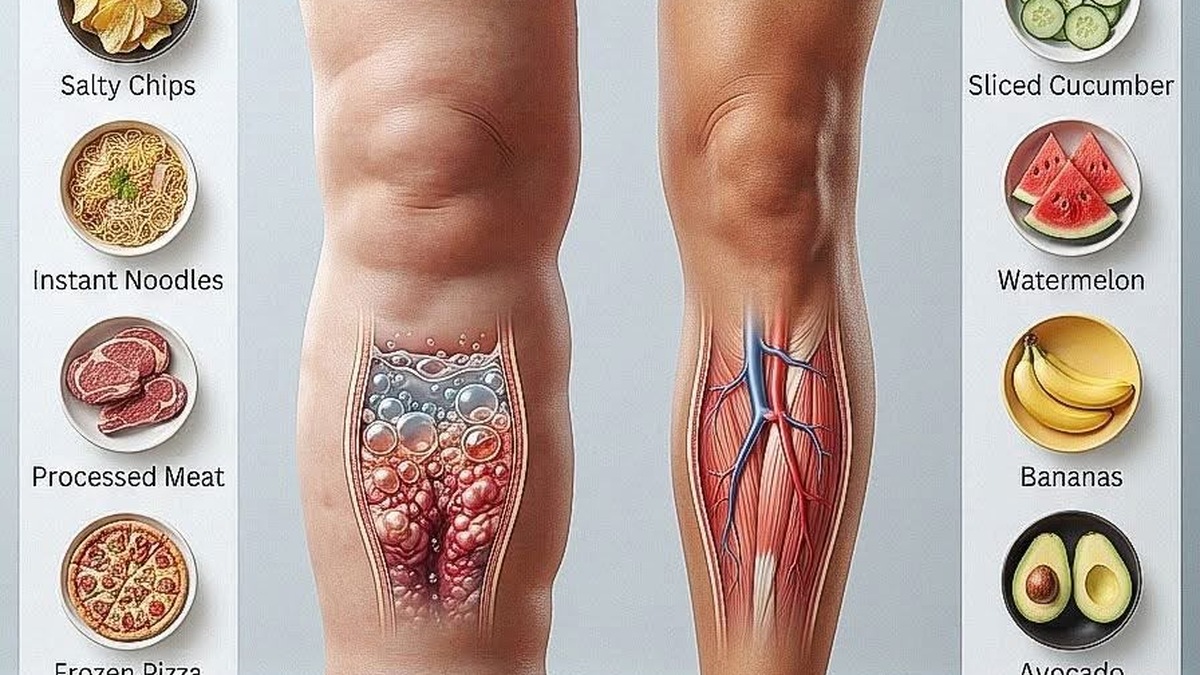
Water retention, also known as edema, is a common condition where excess fluid builds up in the body's tissues, leading to swelling or puffiness. While various factors can contribute to water retention, including hormonal changes, prolonged standing, or certain medical conditions, dietary choices play a significant role in its management.
Understanding Water Retention
Our bodies are largely made of water, and a delicate balance of fluids and electrolytes is essential for proper bodily functions. When this balance is disrupted, fluid can accumulate in the spaces between cells, often manifesting as swelling in the hands, feet, ankles, and legs. This can lead to feelings of heaviness, tightness, or visible puffiness. Understanding how diet influences this fluid balance can empower individuals to make choices that support overall wellness.
Foods That May Contribute to Puffiness
Certain foods and drinks are known to contribute to water retention, primarily due to their high sodium content, processing methods, or impact on fluid regulation.
Salty Chips, Instant Noodles, Fast Food Fries: These items are typically very high in sodium. Excessive sodium intake signals the body to hold onto water to maintain a balanced concentration of salt in the blood.
Processed Meat and Frozen Pizza: Similar to other processed foods, these often contain significant amounts of sodium, along with preservatives and unhealthy fats, all of which can contribute to fluid retention and overall inflammatory responses in the body.
Soda: Many sodas are loaded with added sugars and can also contain sodium. High sugar intake can affect insulin levels, which in turn can influence kidney function and the body's ability to excrete sodium and water effectively.
Minimizing the intake of these highly processed, high-sodium, and sugary items can be a practical step towards managing water retention.
Edit this caption
Dietary Choices That May Help
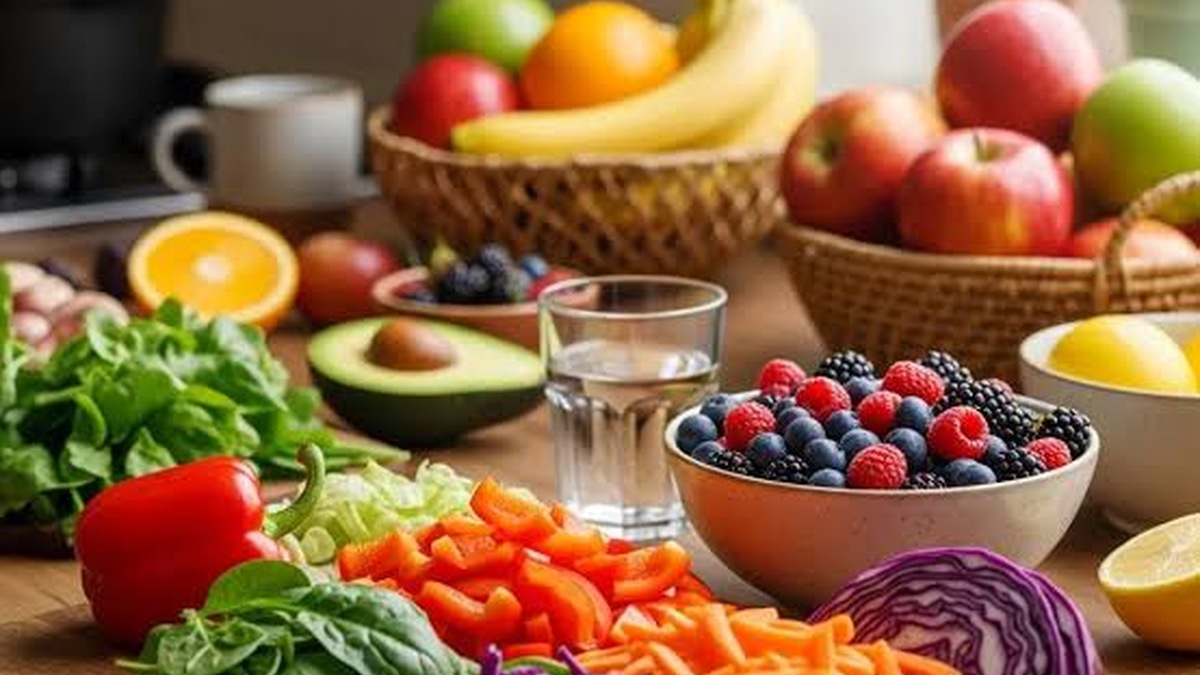
Conversely, incorporating certain foods into your diet can support healthy fluid balance and potentially help reduce water retention. These foods are often rich in water, potassium, and magnesium, which are key electrolytes in maintaining fluid balance.
Water-Rich Fruits and Vegetables: Foods like sliced cucumber and watermelon have high water content and can act as natural diuretics, helping the body flush out excess fluids. Staying adequately hydrated is crucial, as it signals to the body that it doesn't need to hold onto water.
Potassium-Rich Foods: Bananas, avocado, and leafy greens are excellent sources of potassium. Potassium helps counteract the effects of sodium by promoting its excretion through urine, thereby aiding in the reduction of fluid buildup.
Plain Yogurt: This can be a good source of potassium and also contains probiotics, which support gut health. A healthy gut may contribute to overall better nutrient absorption and fluid regulation.
By focusing on whole, unprocessed foods that are rich in essential nutrients and water, you can support your body's natural mechanisms for fluid balance.
Beyond Diet: When to Seek Medical Advice
While dietary adjustments can significantly impact water retention, it is important to remember that persistent, severe, or unexplained swelling can sometimes be a sign of an underlying medical condition. If you experience significant or ongoing edema, or if it is accompanied by other symptoms, it is advisable to consult a healthcare professional for proper diagnosis and guidance. This article is for educational purposes and is not a substitute for professional medical advice or treatment.
Conclusion
Making conscious dietary choices is a powerful way to influence your body's fluid balance and reduce uncomfortable puffiness. By limiting highly processed foods, sugary drinks, and excessive sodium, and instead embracing a diet rich in water-rich fruits, vegetables, and potassium-rich options, you can contribute positively to your public health and wellness. Always prioritize a balanced approach and seek medical advice when concerns arise.