
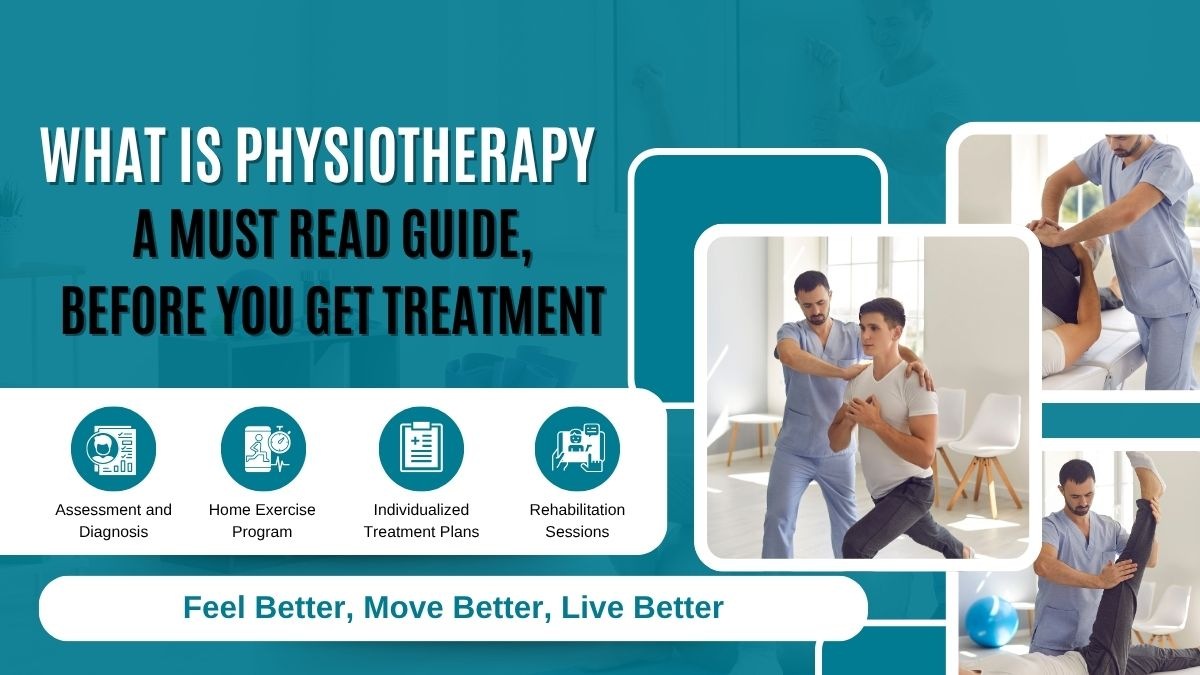
Clinical Awareness & Public Health Importance
There is a significant lack of awareness within the general community regarding physiotherapy, which often leads to patients discovering this medical field only after enduring chronic conditions for many years. This delay or complete lack of knowledge can result in severe consequences, including prolonged pain and unnecessary physical and financial suffering. Seeking professional advice from a certified physiotherapist at the appropriate time can help prevent these long-term issues.
Timely intervention can also help patients avoid unnecessary surgical procedures entirely. Many common chronic conditions, such as mechanical back pain and joint pain, are mechanical in nature rather than chemical. Traditional pharmaceutical medication, consequently, has a highly limited role in their treatment. Seeking timely guidance from the correct physiotherapist can prevent considerable physical suffering and help restore normal movement early in the pathology's progression.
Definition and Methodology
Physiotherapy is a vital branch of modern medical science focused on the science of movement. It does not merely treat symptoms but examines, diagnoses, and prescribes targeted treatment programs for structural and movement dysfunctions. Modern physiotherapy utilizes two primary treatment methodologies:
- Electrotherapy: This methodology employs specialized advanced devices designed to reduce and manage acute and chronic pain. Common clinical modalities include Transcutaneous Electrical Nerve Stimulation (TENS), Interferential Therapy (IFT), and Ultrasound therapy. These devices help manage pain pathways and prepare muscles for active physical rehabilitation.
- Exercise Therapy: In this approach, exercises are carefully prescribed and dosed like medication. It focuses on correcting improper body movements, restoring optimal postures, and building muscular support. Exercises, movements, and structural alignment adjustments are systematically integrated as a core therapeutic intervention.
CLINICAL DEFINITION: EXERCISE REHABILITATION
Exercise rehabilitation is the cornerstone of physiotherapy. It represents the structured, therapeutic process of guiding the body from a weakened, injured, or deconditioned state back to a healthy, fully functional, and fit level. The program is systematically planned to ensure patients transition safely from initial injury recovery to active, unrestricted movement.
Clinical Pain Classification: Mechanical vs. Chemical
To determine the correct path of clinical intervention, a fundamental understanding of pain types is essential. In clinical practice, pain is divided into two distinct pathophysiological categories:
| Dimension | Mechanical Pain | Chemical Pain |
|---|---|---|
| Pathophysiology & Nature | Directly influenced by physical movement, posture, and mechanical loading. Pain is not static. | Continuous and persistent discomfort that remains constant throughout the day, evening, and night. |
| Clinical Presentations | Commonly manifests as mechanical back pain, neck pain, shoulder pain, knee pain, or other joint dysfunctions. | Often associated with metabolic or systemic responses, such as a fever or continuous joint swelling. |
| Diagnostic Behavior | Pain patterns change (increase or decrease) in response to specific physical actions, sitting, standing, or walking. | Does not fluctuate significantly with movement or structural adjustments; remains baseline high. |
| Primary Intervention | Physiotherapy is the primary first-line of treatment. Approximately 90% of cases respond effectively to targeted exercise therapy. | Pharmaceutical management and medical treatment represent the primary line of clinical intervention. |
| Expected Resolution | Can be highly responsive, sometimes resolving completely within one to two sessions with a professional physiotherapist. | Subject to systemic healing timelines and medication cycles; rarely shows immediate mechanical resolution. |
Educational and Professional Standards
Professional physiotherapists undergo rigorous academic and clinical training to qualify as healthcare providers. Their educational pathway consists of several milestones:
Bachelor of Physiotherapy (BPT)
A foundational 4.5-year undergraduate medical degree program that establishes core competencies in anatomy, physiology, biomechanics, and clinical physical therapy.
Post-Graduate Specialization (Master of Physiotherapy)
A 2-year advanced clinical degree program. Physiotherapists specialize in distinct medical disciplines to provide targeted care, including:
- Orthopedics: Focused on musculoskeletal systems, fractures, joint replacements, and degenerative diseases.
- Neurology: Specialized in rehabilitation for brain and nervous system disorders like stroke and spinal cord injuries.
- Gynecology and Obstetrics: Addressing pelvic floor dysfunction, prenatal, and postnatal physical wellness.
- Sports Science: Dedicated to athletic performance, sports injury prevention, and rapid athletic rehabilitation.
- Pediatrics: Clinical care for childhood developmental delays, motor disorders, and pediatric disabilities.
- Community-Based Rehabilitation: Focusing on public health, accessibility, and rehabilitation in community settings.
- Cardio-Pulmonary: Focused on respiratory health, cardiac recovery, and thoracic surgical rehabilitation.
Doctoral Studies (Ph.D.)
Advanced research programs that contribute new scientific literature and evidence-based clinical practices to the field of movement science.
Core Clinical Applications
Physiotherapy is integrated across various medical domains to treat structural and neurological dysfunction, optimize pre-surgical health, and secure post-surgical recovery.
Injury Management
Physiotherapy is recognized as the definitive first line of treatment for acute muscle and joint injuries—such as ankle sprains, running-related falls, and sports-related trauma. In professional athletics (for example, in international cricket), the healthcare professional who runs onto the field to immediately examine, diagnose, and treat injured athletes is a physiotherapist, illustrating their critical role in acute emergency care and immediate functional assessment.
Pre-operative and Post-operative Rehabilitation
Physiotherapy is an essential component of the surgical pipeline across all specialties, including orthopedic, neurosurgery, gynecological, and general surgery. Its application is dual-phased:
- Pre-operative Care (Prehab): Engaging in targeted exercise programs before a scheduled surgery optimizes muscle strength and joint mobility. This proactive preparation directly facilitates a faster, less painful, and more successful post-surgical recovery.
- Post-operative Care (Rehab): Structured rehabilitation programs lasting one to two months post-surgery are critical. Without a systematic, clinically-supervised post-operative physiotherapy program, a surgical procedure may ultimately fail to restore full mechanical function, leaving the joint or tissue deconditioned.
Neurological Rehabilitation (Adult and Pediatric)
- Adult Neurological Care: For severe neurological conditions such as strokes, hemiplegia, or partial paralysis where one side of the body becomes non-functional, pharmaceutical intervention has a highly limited role. These patients require intensive, lifelong physical rehabilitation programs to rebuild neural pathways, improve functional movement, and maintain independence.
- Pediatric Rehabilitation: Children with developmental, genetic, or neurological conditions that currently have no cure—such as polio or autism—rely heavily on specialized pediatric physiotherapy. Dedicated pediatric clinics provide specialized equipment and therapeutic environments to help children maximize their motor skills and achieve functional independence.
Facial Paralysis (Bell's Palsy) Management
Bell's Palsy is a condition involving temporary paralysis of one side of the face. It occurs due to the compression or irritation of the seventh cranial nerve, which can be caused by localized infections, ear infections, or sudden environmental triggers (such as water entering the ear during swimming, leading to nerve inflammation).
Clinical physiotherapy represents a cornerstone in Bell's Palsy management through several synergistic interventions:
- Electrical Stimulation: Delivering targeted electrical impulses to the facial muscles to prevent atrophy and encourage neural re-education (especially relevant for seventh cranial nerve compression).
- Facial Massage and Taping: Structurally supporting the affected facial tissues to improve circulation, manage swelling, and maintain muscle tone.
- Targeted Facial Exercises: Guided movements to re-train the facial expression muscles and restore symmetrical movement.
- Comprehensive Home Guidelines: Critical instructions for safe self-care and daily management.
Ergonomics and Patient Education
A critical component of successful clinical outcomes in physiotherapy is comprehensive patient education, specifically focusing on home care guidelines and self-management. Because structural and muscular health is directly impacted by daily habits, physiotherapists educate patients on biomechanics and ergonomics. This education includes precise instructions on:
- Safe Transfer Techniques: Correct, strain-free methods for getting into and out of chairs or beds without putting undue loading on the spine.
- Sleeping Postures: Ergonomically sound sleeping alignments that support the natural curvature of the spine and prevent nocturnal joint strain.
- Daily Sitting Ergonomics: Maintaining healthy, balanced postures during work or leisure to prevent repetitive muscle strain and joint misalignment.