
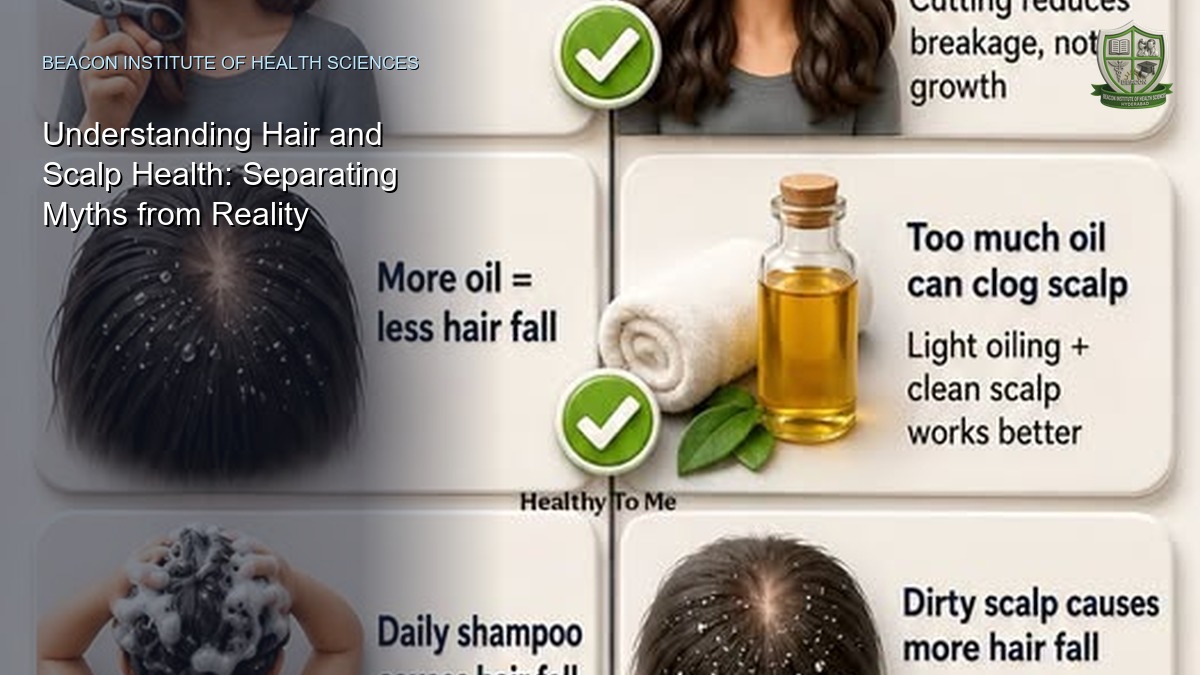
In the world of hair care, it's easy to get caught up in popular advice and old wives' tales. Many common tips are actually myths that can prevent you from achieving truly healthier, stronger hair. Understanding the truth behind hair and scalp health is crucial for an effective care routine.
Common Hair Care Myths Debunked
Myth 1: Trimming Your Hair Makes It Grow Faster
Reality: While regular trims are beneficial, they don't actually speed up hair growth. Hair growth occurs at the scalp, from the follicles, not from the ends. Trimming helps to reduce split ends and breakage, which can make your hair appear healthier and prevent further damage that might otherwise necessitate cutting off more length. By keeping split ends at bay, your hair retains its length more effectively, contributing to the look of longer, healthier hair over time.
Myth 2: Applying More Oil Stops Hair Loss
Reality: The idea that more oil equals less hair fall is a common misconception. In fact, too much oil can clog your scalp. A healthy scalp is essential for healthy hair. Light oiling, if desired, combined with a clean scalp, works best. Excess oil can create an environment that isn't optimal for hair follicles and and can even exacerbate certain scalp conditions.
Myth 3: Washing Your Hair with Shampoo Every Day Causes Hair Loss
Reality: Using a gentle shampoo when needed does not cause hair loss. On the contrary, poor scalp hygiene, such as infrequent washing when necessary, can actually make hair problems worse. A dirty scalp can accumulate oils, dead skin cells, and product residue, potentially leading to irritation, blockages, or an unhealthy environment for hair growth. Using a mild shampoo as needed helps keep your scalp clean and healthy, which is fundamental for supporting healthy hair.
Myth 4: Any Hair Fall Means You're Going Bald
Reality: It's completely normal to lose some hair every day. The average person can shed a certain amount of hairs daily as part of the natural hair growth cycle. The concern arises when hair fall becomes persistent or excessive, meaning you are losing significantly more hair than what is considered normal for you, or if you notice thinning. Normal daily hair fall is part of a healthy hair cycle, but excessive or long-term hair fall deserves attention.
The Foundation: A Healthy Scalp for Healthy Hair
The consistent message across these truths is clear: healthy hair starts with a healthy scalp. Just like good soil supports a healthy plant, a healthy scalp provides the optimal environment for your hair follicles to thrive. Focusing on science-backed habits, such as proper cleansing and gentle care, is far more effective than relying on viral myths or unproven remedies.
When to Seek Professional Help
While routine hair care habits are important, some hair and scalp issues require medical attention. If you experience sudden hair loss, notice patchy hair loss, suspect scarring on your scalp, or are dealing with persistent and excessive hair fall that concerns you, it's important to consult a qualified healthcare professional. They can assess your specific situation, determine the underlying cause, and recommend appropriate management or treatment options.
By distinguishing between common myths and scientific realities, you can adopt hair care practices that genuinely support the health and strength of your hair and scalp.