
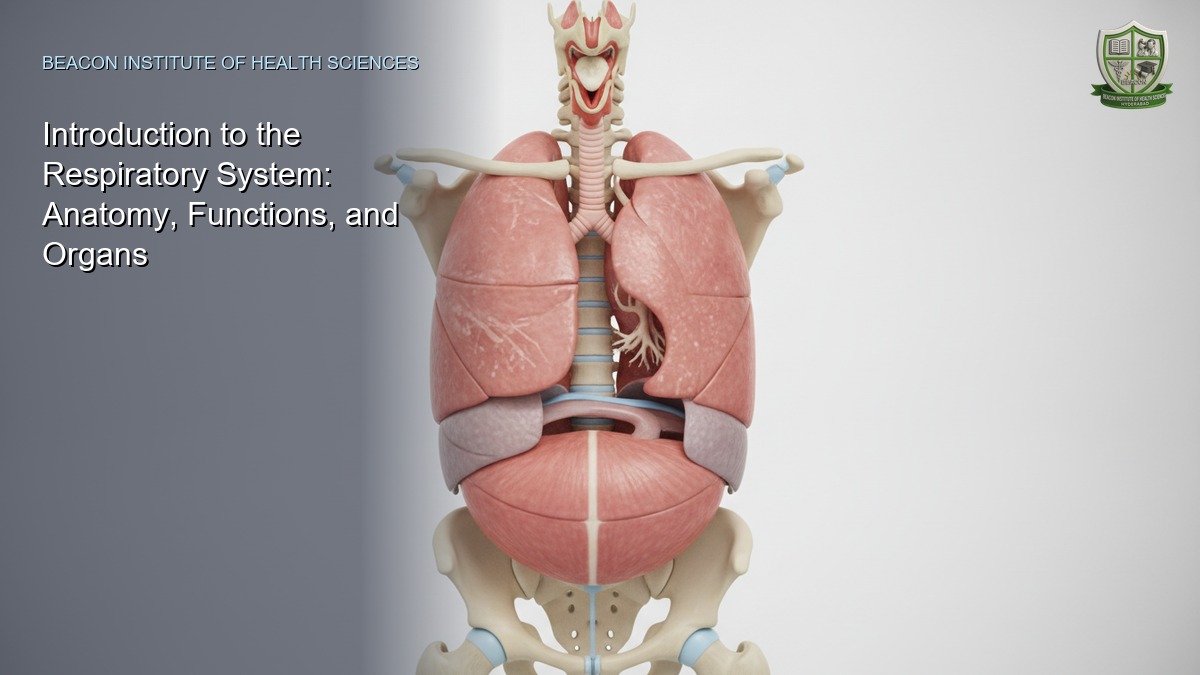
The respiratory system is a vital bodily system, fundamental for human survival and overall physiological balance. As BSN students, understanding its intricate anatomy and complex functions is crucial for comprehensive patient care.
Understanding Respiration and Breathing
While often used interchangeably, "breathing" and "respiration" refer to distinct processes within the respiratory system.
Breathing: A Physical Process
Breathing is a physical process involving the mechanical movement of air into and out of the lungs. This includes:
- Inhalation: Taking air into the lungs.
- Exhalation: Releasing air from the lungs.
This process primarily involves the lungs and the diaphragm muscle, facilitating gas movement between the environment and the body.
Respiration: A Chemical Process
Respiration, in contrast, is a chemical process that occurs at the cellular level throughout the body. It involves the utilization of oxygen by cells to produce energy, specifically Adenosine Triphosphate (ATP), within structures like mitochondria. The oxygen inhaled during breathing is transported to every cell, where it participates in metabolic reactions essential for life. This cellular energy production is why the system is called the "Respiratory System" rather than merely a "Breathing System."
Definition of the Respiratory System
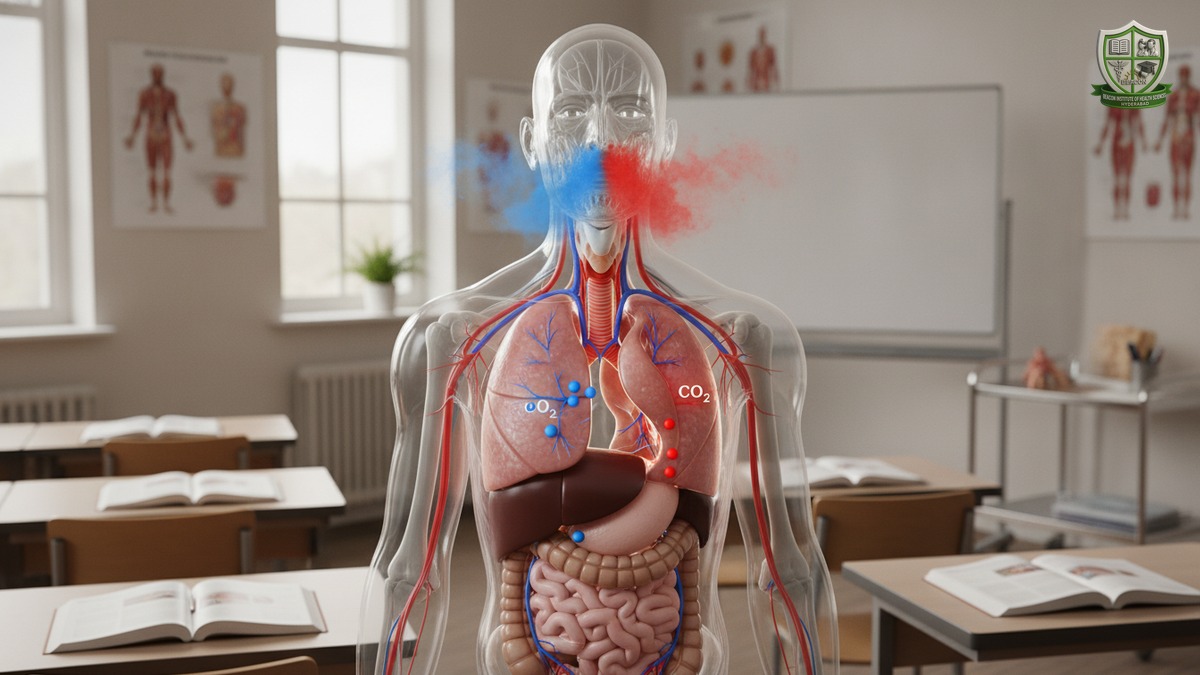
The respiratory system is the body system primarily responsible for the exchange of gases. Its main function is to facilitate the intake of oxygen (O2) from the environment into the body and the removal of carbon dioxide (CO2) from the body into the environment.
Key Functions of the Respiratory System
Beyond gas exchange, the respiratory system performs several other critical functions:
- Gas Exchange: The primary function involves taking in oxygen and expelling carbon dioxide between the body and the external environment.
- Maintenance of Blood pH: The respiratory system plays a crucial role in regulating blood pH, which normally ranges from 7.35 to 7.45. Carbon dioxide levels directly influence blood pH; an increase in CO2 leads to acidosis (lower pH), while a decrease leads to alkalosis (higher pH). The system adjusts breathing rate (e.g., hyperventilation to expel more CO2 during acidosis) to maintain this delicate balance.
- Sound Production: Air passing through the larynx, specifically over the vocal cords, causes vibrations that produce sound. During inhalation, vocal cord folds open, allowing air to pass. During exhalation, these folds close, and the pressure of exhaled air causes them to vibrate, generating speech and other sounds. Obstruction in the airway can significantly alter voice quality.
- Smell (Olfaction): The nasal cavity contains specialized olfactory receptors responsible for detecting odors, contributing to the sense of smell.
- Protection: The nasal passages are equipped with hairs and cilia that trap dust, microbes, and foreign particles from inhaled air. Mucus secreted in the airways further traps and helps eliminate these potential pathogens, acting as a protective barrier against infection.
- Air Conditioning: Inhaled air, which is often dry, cold, or laden with particles, is warmed, humidified, and filtered as it passes through the nasal cavity and upper airways. This conditioning prevents irritation and damage to the delicate lung tissues.
Anatomy of the Respiratory System: Upper and Lower Tracts
The respiratory system is anatomically divided into two main parts:
Upper Respiratory Tract
The upper respiratory tract includes structures outside the thorax:
- Nasal Cavity: The entry point for air, responsible for filtering, warming, and moistening inhaled air, and housing olfactory receptors.
- Pharynx (Throat): A muscular tube that serves as a passageway for both air and food. It is divided into three sections: nasopharynx, oropharynx, and laryngopharynx.
- Larynx (Voice Box): A cartilaginous structure containing the vocal cords, responsible for sound production.
Lower Respiratory Tract
The lower respiratory tract consists of structures within the thorax, including:
- Trachea: The main airway extending from the larynx.
- Bronchi: Branches off the trachea that lead into the lungs.
- Bronchioles: Smaller branches of the bronchi.
- Alveoli: Tiny air sacs where gas exchange occurs.
- Lungs: The primary organs of respiration.
- Diaphragm: The main muscle of respiration, located beneath the lungs.
Overview of Respiratory Organs
Let's briefly explore each key organ of the respiratory system:
Nose (Nasal Cavity)
The nose is the first organ of the respiratory system, consisting of external and internal parts. Its primary functions include providing a pathway for inhaled air, filtering, humidifying, and moisturizing it, and housing the olfactory receptors for smell. A nasal septum divides the nostrils.
Pharynx
Known as the throat, the pharynx is a common pathway for both the respiratory and digestive systems. It is divided into three regions:
- Nasopharynx: Posterior to the nasal cavity.
- Oropharynx: Posterior to the oral cavity.
- Laryngopharynx: Superior to the larynx and esophagus.
Larynx
Also known as the voice box, the larynx is a cartilaginous organ crucial for sound production. It contains three single cartilages (e.g., thyroid, cricoid, epiglottis) and three paired cartilages. A vital structure within the larynx is the epiglottis, a flap-like cartilage that acts as a guard. During swallowing, the epiglottis bends backward to cover the opening of the trachea (glottis), preventing food or liquid from entering the airways and directing it towards the esophagus.
Trachea
The trachea, or windpipe, is a tube-like structure composed of C-shaped cartilages that maintain its patency. It functions solely as an airway, transporting air to and from the lungs. The trachea bifurcates (divides) into the main bronchi at a point called the **carina**, typically located around the T4 or T5 vertebral level.
Bronchi and Bronchioles
After the trachea, the airways branch extensively. The two main bronchi (primary bronchi) enter the lungs, with the right bronchus being wider, shorter, and more vertical than the left. These then divide into secondary (lobar) bronchi, which supply the lobes of the lungs, and further into tertiary (segmental) bronchi. The bronchi continue to branch into smaller and smaller tubes called bronchioles, which eventually lead to the alveolar ducts.
Alveoli
Alveoli are microscopic air sacs located at the terminal ends of the bronchioles. These are the primary sites where the vital exchange of oxygen and carbon dioxide takes place between the air in the lungs and the blood in the surrounding capillaries.
Lungs
The lungs are a pair of spongy, air-filled organs located within the thoracic cavity. The right lung typically has three lobes (superior, middle, and inferior), while the left lung has two lobes (superior and inferior). The left lung is slightly smaller than the right due to the presence of the cardiac notch, which accommodates the heart.
Diaphragm
The diaphragm is a large, dome-shaped muscle located at the base of the chest cavity. It is the primary muscle responsible for breathing, contracting to draw air into the lungs (inhalation) and relaxing to push air out (exhalation).
Understanding these foundational aspects of the respiratory system is essential for BSN students, providing the knowledge base required for further study of respiratory pathologies, interventions, and patient assessment.