
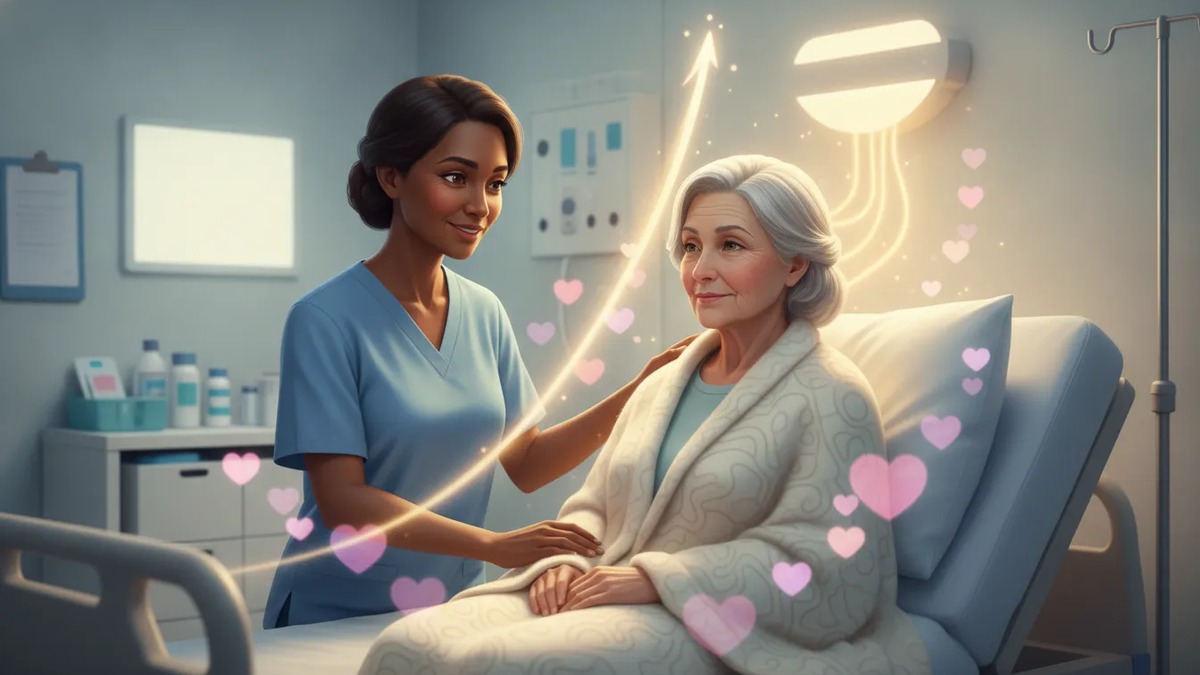
Nursing is much more than giving medicines or carrying out procedures. It is a professional service built around understanding human needs, promoting health, preventing illness, restoring function, relieving suffering, and delivering care in an organized manner.
This chapter covers the central goals of nursing and the concepts that support nursing practice, including basic human needs, health and wellness, the World Health Organization, BSN education, nursing practice settings, and the nursing process.
Basic Human Needs
Basic human needs are the minimum elements required for life, survival, growth, and well-being. Every person tries to fulfill these needs throughout life. When one level of need is fulfilled, people naturally move toward another, higher need.
Human beings are born with abilities, potential, and capabilities. A major purpose of life is to recognize these abilities and use them in the best possible way. As people achieve one goal, they often develop a new goal and continue progressing.
Maslow's Hierarchy of Human Needs
Abraham Maslow explained human needs as a hierarchy. Lower-level needs generally require attention before a person can focus fully on higher-level needs.
- Physiological needs: These are the most essential needs for survival. They include food, water, oxygen, shelter, clothing, rest, and other bodily requirements. In simple words, these are the basic necessities of life, such as food, clothing, and housing.
- Safety and security needs: Once people have food and shelter, they need protection. They want to feel safe from danger, illness, violence, insecurity, and loss of their essential resources.
- Love and belonging needs: A person who is physically secure also needs relationships, family connections, affection, friendship, acceptance, and a sense of belonging in a group or community.
- Self-esteem needs: Self-esteem develops when a person receives respect, recognition, prestige, confidence, and appreciation. It is often achieved through good work, competence, and positive relationships with others.
- Self-actualization needs: This is the highest level of need. It means recognizing one's inborn potential and becoming the best version of oneself. A person may become an excellent scientist, businessperson, political leader, artist, teacher, or professional by discovering the field in which they perform best.
Cognitive and Aesthetic Needs
Self-actualization is also associated with cognitive and aesthetic needs.
- Cognitive needs are related to curiosity, learning, discovery, truth, and understanding the world. Scientists and explorers are driven by this desire to discover what is unknown.
- Aesthetic needs involve appreciation of beauty, growth, creativity, and expression. Writers, poets, novelists, dramatists, and artists often express this need through their work.
For nurses, these needs are highly important because illness can affect any level of the hierarchy. A patient may be unable to focus on confidence, relationships, or long-term goals when basic needs such as breathing, pain relief, food, safety, or shelter are not being met.
The Main Goals of Nursing Practice
Nursing practice focuses on four major goals:
- Promoting health and wellness
- Preventing illness
- Restoring health
- Providing comfort and care at the end of life
1. Promoting Health and Wellness
Wellness is a state of well-being. It involves attitudes and behaviors that improve quality of life and help individuals achieve their maximum personal potential.
Nurses promote wellness by guiding healthy people toward habits that support long-term health. This includes teaching people about exercise, balanced nutrition, vitamins and minerals where appropriate, hygiene, adequate sleep, stress management, and healthy lifestyle choices.
Health promotion does not only involve individuals. It also includes families and communities. Community activities, awareness sessions, health campaigns, and education can encourage people to adopt healthier lifestyles before illness begins.
2. Preventing Illness
Prevention means reducing the risk of disease before it develops or becomes severe. Nurses help individuals and communities understand health risks and make safer choices.
For example, awareness about smoking can prevent serious health problems. When people understand that smoking affects the lungs, increases the risk of lung cancer, and harms many body systems, they may decide to quit. This reduces the risk of illness in the community.
Prevention includes:
- Teaching healthy habits
- Identifying risk factors
- Encouraging exercise and proper nutrition
- Providing health education campaigns
- Supporting smoking cessation and other risk-reduction efforts
- Helping people seek care early when symptoms appear
3. Restoring Health
Sometimes illness cannot be prevented. In such cases, nursing focuses on restoring health and helping the patient return to the best possible level of physical and mental functioning.
Restoring health begins with direct care for an ill person. Nurses administer prescribed medicines, assess vital signs such as blood pressure, carry out diagnostic and therapeutic procedures, identify patient problems, and consult other healthcare professionals when needed.
Patient teaching is one of the most important parts of recovery. A patient needs to understand what supports recovery and what can make the condition worse. Education about exercise, medication adherence, diet, wound care, rehabilitation activities, and follow-up care can strengthen the patient's own motivation to recover.
Rehabilitation is especially important for people recovering from physical or mental illness. The aim is to help them regain an optimal level of functioning over time.
4. Providing Comfort and End-of-Life Care
Some diseases do not have a curative treatment, such as certain advanced cancers or terminal conditions. In these situations, nursing care remains deeply important.
Palliative and end-of-life care focus on comfort, dignity, emotional support, symptom management, and peace. The nurse supports both physical and psychological needs, helps reduce pain and distress, listens carefully, and tries to make the patient's remaining time as comfortable as possible.
Care may also include supporting meaningful wishes, helping the family understand the situation, and creating an environment that is peaceful rather than painful or distressing.
The World Health Organization
The World Health Organization, commonly called WHO, is the specialized United Nations organization responsible for international public health. Its central objective is to help all people achieve the highest possible level of health.
WHO was established on 7 April 1948. This date is also observed as World Health Day.
Key Functions of WHO
WHO performs an important leadership role in global health. Its major functions include:
- Responding to worldwide health emergencies and pandemics
- Providing awareness about important health issues
- Organizing and supporting campaigns, seminars, publications, and research activities
- Providing leadership on health-related matters
- Developing research agendas and encouraging the generation of useful knowledge
- Helping translate and distribute valuable health information
- Setting international health norms and standards
- Developing ethical standards related to health and healthcare practice
The Conceptual Framework of the Generic BSN Program
The Bachelor of Science in Nursing, or BSN, is a university-level nursing education program designed to prepare nurses with scientific knowledge, professional competence, clinical skills, and broader educational understanding.
The first school of nursing in a university setting was established at the University of Minnesota in 1909. Its approach differed from the more common hospital-based diploma programs of that period.
Early BSN programs were often five years long. They included three years of basic nursing or diploma-level preparation, followed by additional years of university study. These programs involved subjects beyond nursing, including:
- Natural sciences
- Social sciences
- History
- Humanities
- Liberal arts
- Case studies and clinical learning
Modern baccalaureate nursing programs are generally offered through colleges and universities and commonly run for four to five years. Students must complete both university requirements and nursing requirements before being awarded a Bachelor of Science in Nursing degree.
Some institutions may also require a one-year internship after academic study. This allows graduates to strengthen their clinical practice in hospital settings before taking on broader professional responsibilities.
A BSN education supports greater professional autonomy, participation in institutional decision-making, career advancement, and broader nursing responsibilities. It also encouraged diploma-qualified nurses to continue their education through Post RN pathways so that they could advance professionally.
What Is Nursing?
Florence Nightingale defined nursing as using the patient's environment to improve the person's condition and assist recovery. This definition remains meaningful because the environment has a direct effect on health.
A clean room, fresh air, proper light, reduced noise, safe surroundings, cleanliness, nutrition, and emotional comfort can all support healing. Nursing therefore involves both clinical care and the thoughtful management of the patient's environment.
Nursing Practice Settings
Nurses provide care in many different settings. Nursing is not limited to a hospital ward. Depending on education, experience, and specialization, nurses may work with individuals, families, groups, and entire communities.
Common nursing practice settings include:
- Hospitals
- Schools
- Long-term care facilities
- Outpatient clinics
- Medical offices
- Community health services
- Critical care units
- Mental health facilities
Hospital-Based Nursing Practice
Hospital nursing is the form of nursing practice most people recognize. A hospital has many clinical departments, and nurses may work in cardiology, diabetes care, dialysis, labor rooms, surgery departments, emergency services, medical wards, and many other areas.
Each department requires specific knowledge and careful nursing interventions. Nurses monitor patients, administer treatment, communicate with healthcare teams, educate patients, maintain safety, and respond quickly to changing conditions.
Intensive Care Nursing
Intensive Care Unit nursing requires specialized skills because ICU patients are often critically ill and need constant monitoring. They may have ventilators, feeding tubes, urinary catheters, intravenous lines, cardiac monitoring leads, and multiple electronic devices attached for assessment and treatment.
This is a highly technical environment. ICU nurses must observe patients closely, understand sophisticated equipment, recognize emergency signs, and provide safe, timely care.
Other Areas of Nursing Practice
- Community health nursing: Community health nurses identify the health needs and problems of people living in a particular community. They provide education, support prevention, and help address community health concerns.
- Pediatric nursing: Pediatric nurses focus on the health problems and developmental needs of infants, children, and adolescents.
- Clinical nurse specialist: A clinical nurse specialist is a nurse who gains advanced knowledge and specialization in a specific field after completing further education and training.
- Nurse midwifery: Nurse midwives provide care to women from pregnancy through delivery and after childbirth. This includes prenatal, intranatal, and postnatal care.
- Nurse anesthesia: Nurse anesthetists work in surgical settings and assist with anesthesia-related care according to their professional scope and institutional responsibilities.
- Mental health nursing: Mental health nurses care for people experiencing psychiatric or psychological conditions. They assess mental status, provide therapeutic support, and work with patients according to individual needs.
The Nursing Process
The nursing process is a systematic and rational method of planning and providing nursing care. It allows nurses to assess patient needs, identify problems, plan care, take action, and evaluate results in an organized way.
The nursing process is commonly remembered through five connected steps:
- Assessment: The nurse collects information about the patient's health status through observation, physical examination, interview, health history, and available clinical data.
- Nursing diagnosis: After assessment, the nurse identifies the patient's health problems or needs (actual or potential).
- Planning: Deciding what should be done to address the patient's identified needs, setting priorities, and selecting appropriate interventions.
- Implementation: The action stage. The nurse carries out the planned nursing interventions (medication, monitoring, comfort, hygiene, support).
- Evaluation: Determines whether the nursing care plan has been effective and if goals were met.
Historical Perspective of the Nursing Process
The term nursing process and its structured framework are relatively modern in nursing history. Early nursing theorists and educators contributed to its development through their ideas about patient care, assessment, planning, and professional nursing responsibility.
The nursing process gained greater formal recognition in 1973, when the American Nurses Association included it in its standards of nursing practice. This helped establish the process as an organized and effective standard for delivering nursing care.
Final Takeaway
Nursing is a profession of knowledge, skill, responsibility, compassion, and service. Whether the focus is disease prevention, recovery, rehabilitation, or peaceful end-of-life care, the nurse remains central to protecting dignity and improving health outcomes.